Grabbed a cup of chai yet? Good, because we need to talk about something that’s quietly threatening to blow up your everyday digital life—and no, it’s not another chatbot hallucinating facts about sixteenth-century history.
If you have been keeping an eye on the tech landscape lately, you’ve probably noticed that the conversation has shifted. We are no longer just arguing about parameters, model weights, or who has the flashiest multimodal interface. Instead, Silicon Valley and global infrastructure giants are suddenly obsessed with a much more grounded, old-school problem: power. Lots and lots of it.
Sitting across from me over coffee last week, an engineer friend put it bluntly: “We spent the last decade figuring out how to make algorithms think. Now we’re realizing we might not have enough wall sockets to keep the lights on while they do it.”
The Gigawatt Squeeze: Why Training Models Is Eating the Grid
Let’s talk numbers, but keep them human. When we scale up next-generation AI models, we aren’t just spinning up a few servers in a basement. We are building sprawling, football-field-sized data centres that demand a continuous, uninterrupted gulp of electricity that rivals small industrial cities.
Suddenly, tech giants aren’t just software companies anymore. They are becoming energy traders, nuclear asset buyers, and grid-stress testers. And this frantic search for megawatts is colliding head-on with a physical reality check:
- The Intermittency Trap: Renewable energy is fantastic, but wind and solar don’t care if your GPU cluster is in the middle of a heavy training run at 2:00 AM.
- Transmission Bottlenecks: Even if we can generate clean power, moving it across aging grids without losing half of it in transit is an engineering nightmare.
- The Cooling Factor: It’s not just the chips drawing power; it’s the relentless hum of liquid cooling loops and HVAC units fighting thermodynamics 24/7.
It’s the ultimate tech paradox. We built artificial intelligence to optimize our world, but keeping it alive requires duct-taping massive amounts of physical infrastructure together faster than the supply chain can handle.
Beyond the Hype: How the Grid Is Fighting Back
So, are we heading toward a future where Netflix buffers because ChatGPT is rendering a photorealistic dog video? Not quite. Necessity, as they say, is the mother of invention—and the AI energy crunch is forcing some remarkably clever engineering pivots.
Instead of just bullying local utilities for more juice, the ecosystem is starting to look inward:
“We are moving away from brute-force compute scaling and toward a smarter, more symbiotic relationship between artificial intelligence and the power grid.”
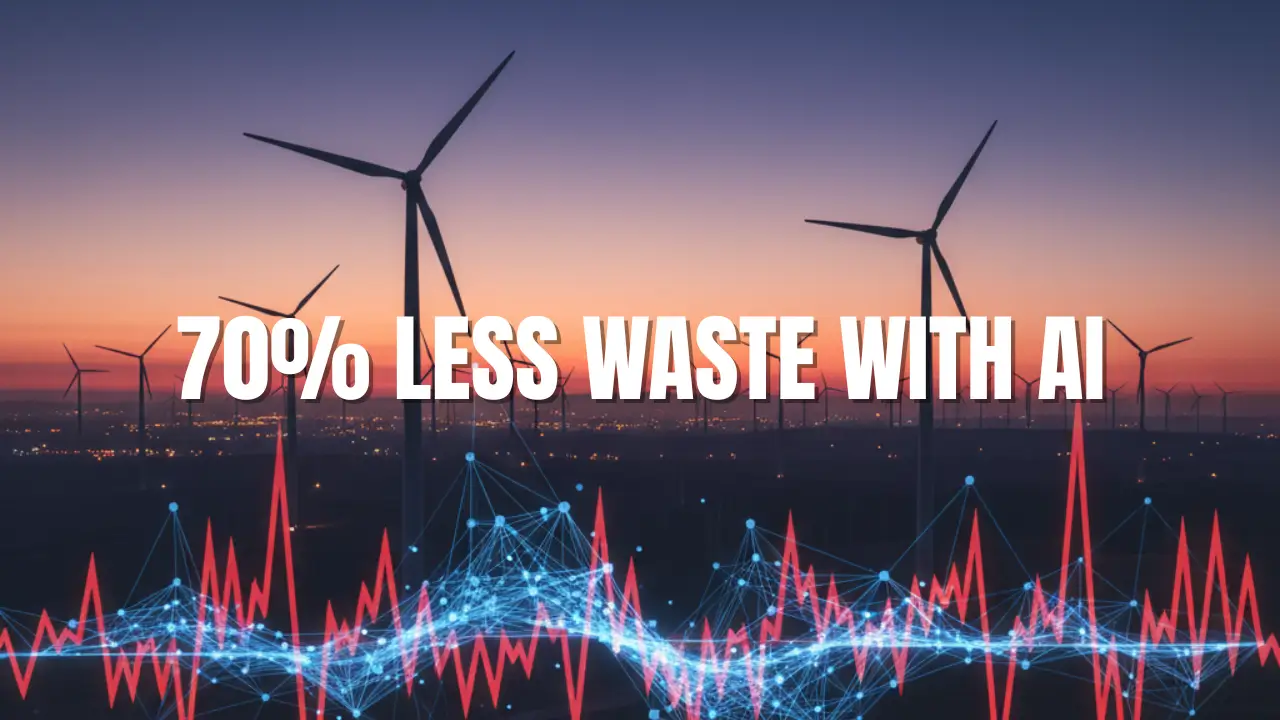
For one, advanced machine learning is actually being turned back around to fix the very problem it created. AI-driven grid optimization is stepping in to predict energy loads, balance micro-grids, and squeeze every ounce of efficiency out of existing power plants. It’s a classic case of using the keys to the kingdom to lock the back door.
What This Means for You (And Your Energy Bill)
You might be wondering: “This sounds fascinating, but how does a data centre power crunch affect my daily routine?”
The ripple effects are closer than you think. As tech heavyweights strike direct deals with energy producers—sometimes resurrecting mothballed nuclear reactors or camping out next to hydroelectric dams—the local economics of power distribution are shifting. We are looking at a localized infrastructure boom that is drawing skilled tradespeople, engineers, and sustainable tech startups into a fierce global gold rush.
For you, the consumer, it means the price of our digital convenience is becoming transparent. The era of infinite, frictionless compute is running up against the laws of physics, and the solutions we build today will dictate whether our clean-energy future stalls out or scales up.
So, the next time you prompt an AI to write your weekly grocery list or spin up a quick design concept, spare a quick thought for the megawatts working overtime behind the scenes. The real revolution isn’t happening on your screen—it’s happening at the substation down the road.