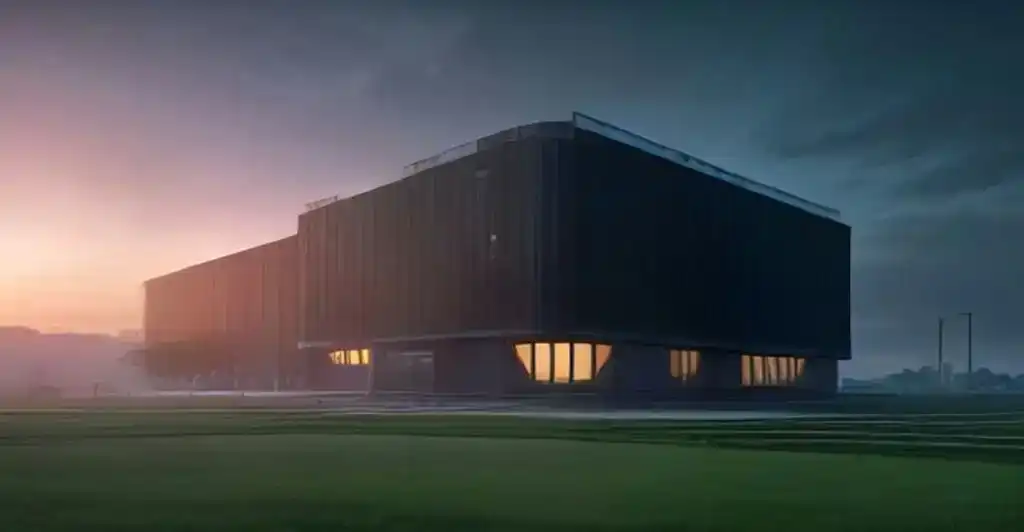
If you have been keeping an eye on the tech landscape lately, you already know that artificial intelligence has a massive appetite. We are not just talking about data consumption or the endless parameter scaling of large language models. No, we are talking about raw, physical footprints—concrete, cooling towers, and megawatts of electricity.
Grab a cup of coffee and sit across from me for a second. Imagine trying to cram a hyper-scale industrial facility into a quiet suburban neighbourhood or routing enough juice to power a small city into a single warehouse. That is the reality unfolding right now. While everyone is busy debating the latest frontier models, the real estate and energy sectors are quietly grappling with an infrastructure boom that is redrawing the map in real-time.
The Physical Bottleneck of the Digital Age
For years, the tech industry operated under a sort of digital illusion. We built software in the cloud, imagining it existed in some weightless, ethereal space. But as the demand for heavy computational power explodes, that illusion is shattering.
Training advanced AI models requires clusters of GPUs that generate staggering amounts of heat and draw power like hungry industrial beasts. Suddenly, tech giants aren’t just competing on algorithms; they are locked in a ruthless land grab for electrical substations, water rights, and square mileage.
Consider what is happening on the ground:
- The Power Hunger: Standard data centres look quaint next to new AI facilities that demand hundreds of megawatts—pushing utility companies to reconsider aging grids.
- Geographic Shifting: Regions with cheap, abundant energy and cooler climates (from rural parts of Canada to remote pockets of Scandinavia) are seeing unprecedented industrial influxes.
- The Labour Crunch: Building these high-tech fortresses requires specialized tradespeople, leading to bidding wars that are pulling talent away from traditional sectors like oil, gas, and standard construction.
Why This Matters to Your Everyday Digital Life
You might be wondering: what does a massive concrete bunker filled with cooling racks in a distant province have to do with you? Everything.
When the infrastructure underlying the tech ecosystem shifts, the ripple effects touch everything from local utility bills to the speed and cost of the services you use daily. We are witnessing a collision between the digital economy and physical reality. The constraints aren’t just lines of code anymore; they are transformers, copper wiring, and zoning permits.
It turns out that building a smarter world requires a staggering amount of physical heavy lifting. As tech companies pivot toward energy-efficient architectures and decentralized edge solutions to ease the pressure, the race to secure sustainable power is becoming the defining subplot of the AI era.
Looking Ahead: The Infrastructure Evolution
So, where do we go from here? The current pace of expansion is undeniably straining conventional infrastructure, but it is also acting as a massive catalyst for innovation. We are seeing private tech investment flow directly into green energy projects, grid modernization, and next-generation cooling technologies that will eventually benefit society far beyond Silicon Valley.
The next time you prompt an AI to write a snippet of code or generate a vivid image, remember the invisible machinery humming away in the background. The digital cloud is anchored to the physical earth, and managing that weight is the next great challenge of our technological age.