Grab a cup of chai and let’s talk about the silent panic keeping Chief Information Security Officers up at night. You already know that digital security is a high-stakes, never-ending game of cat-and-mouse. But while your engineering teams are busy duct-taping legacy protocols and updating patchwork firewalls, the sheer velocity of modern software deployment has outpaced human oversight. We are simply generating code faster than any human security team can audit, encrypt, and secure.
Enter automated cryptography—not as some distant sci-fi concept, but as a practical, pragmatic shift happening right now. By embedding machine intelligence directly into cryptographic architecture, organizations are moving away from manual key management and static encryption models. Instead, they are deploying systems that dynamically adapt to threats, self-heal, and future-proof enterprise data without demanding an army of cryptographers.
The Cracking Wall of Legacy Encryption
Let’s be honest: traditional encryption works brilliantly until it doesn’t. Setting up SSL/TLS certificates, managing enterprise key hierarchies, and enforcing proper cryptographic hygiene have always been prone to human error. All it takes is one misconfigured S3 bucket, one expired certificate, or one outdated cipher suite to hand the keys to the kingdom over to malicious actors.
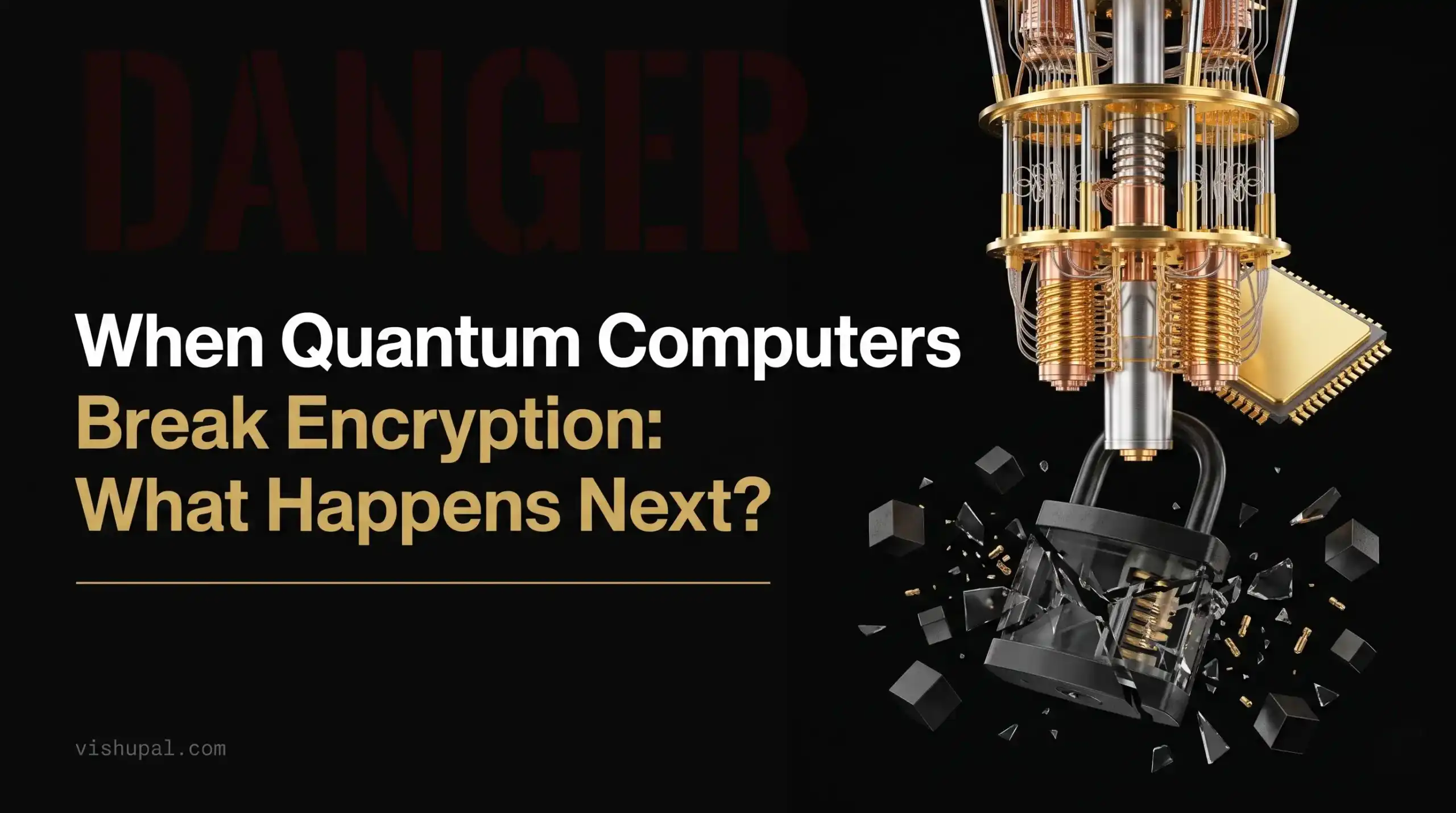
Worse yet, the looming shadow of post-quantum cryptography is creeping closer. Standard encryption algorithms that protect our financial transactions and cloud infrastructure today face an eventual reckoning from advanced computational models and quantum advancements. Relying on manual updates to overhaul these core infrastructure elements is like trying to fix the engine of a supersonic jet while flying it.
This is where things get genuinely fascinating. We aren’t just looking for better ways to store keys anymore; we are building systems capable of anticipating cryptographic decay and actively rewriting security layers on the fly.
How AI-Driven Cryptographic Automation Changes the Playbook
When you plug machine learning intelligence into the cryptographic pipeline, the entire operational paradigm flips. Rather than treating security as a static checkpoint at the end of the development cycle, automated cryptography weaves protection directly into the fabric of your infrastructure.
- Dynamic Key Lifecycle Management: AI monitors data access patterns in real-time, rotating and retiring cryptographic keys based on risk telemetry rather than rigid calendar schedules.
- Proactive Vulnerability Mitigation: Intelligent systems scan codebases for weak hashing functions or improper cryptographic implementations before they ever hit production.
- Agile Protocol Upgrades: As new cryptographic standards emerge—particularly post-quantum algorithms—automated frameworks can simulate, test, and swap out underlying ciphers with minimal downtime.
- Anomaly Detection at the Edge: By analyzing decentralized network traffic, AI models can spot side-channel attacks and unusual decryption requests long before a breach occurs.
This isn’t about replacing security engineers. It’s about giving your technical teams the leverage they desperately need to stop playing reactive defense.
What This Means for Your Enterprise Roadmap
Sitting across from me over coffee, a lead architect recently sighed, saying, “We have more security tools than we have developers to run them.” That fragmentation is precisely why automated cryptography is gaining serious traction across forward-thinking tech stacks.
Implementing these systems requires a fundamental shift in how you view data stewardship. You have to move away from treating encryption as a set-it-and-forget-it compliance checkbox. Instead, treat your cryptographic posture as a living, breathing ecosystem that requires continuous optimization and intelligent oversight.
“The future of enterprise security won’t be defined by how many walls you build, but by how intelligently your infrastructure can rebuild its own defenses the moment those walls are tested.”
If you’re mapping out your tech stack for the coming year, take a hard look at your cryptographic workflows. Are you still relying on manual audits and brittle scripts to protect your most sensitive assets? It might be time to let intelligent automation take the wheel, ensuring your data stays locked down while you focus on building what’s next.